Français
 Nederlands
The foundations of mental peace
In our contemporary society, countless people experience a constant state of pressure, which often leads to chronic stress. It is essential to understand that mental peace is not a luxury, but a necessary condition for a healthy life. When we talk about reducing stress, we are not just looking at symptom relief, but at a fundamental change in our daily habits and mindset. Creating a conscious balance between effort and relaxation allows the body and mind to recover from daily stimuli. By breaking ingrained patterns and making room for introspection, we lay the foundation for a more resilient life. It is crucial to recognize that **stressmanagement** is a process of small, consistent steps rather than a one-time solution. By clearly setting priorities and regaining control over one's own time, we can significantly reduce the negative impact of external pressure.
Practical strategies for daily recovery
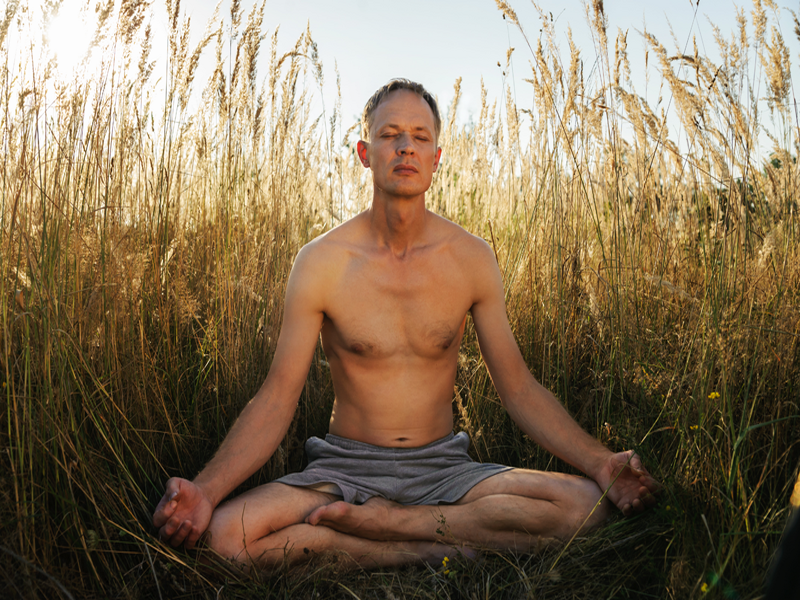
One of the most effective methods to promote mental peace is to implement structured breaks throughout the workday. Many people make the mistake of working continuously, which undermines cognitive capacity over time. By scheduling short, conscious moments where you completely disconnect from digital devices, you give your brain the necessary breathing room. This can range from a short walk in the fresh air to applying targeted breathing exercises that immediately calm the nervous system. Additionally, it is essential to set boundaries for the information flow that we consume daily. A conscious limitation of digital stimuli and media consumption helps to protect mental space against unnecessary noise. Cultivating **mindfulness** allows us to shift our focus to the present moment, causing worries about the past or future to lose their grip. By consistently applying these techniques, we build a buffer against the chaos of daily life and increase our emotional well-being.
Physical health and mental balance
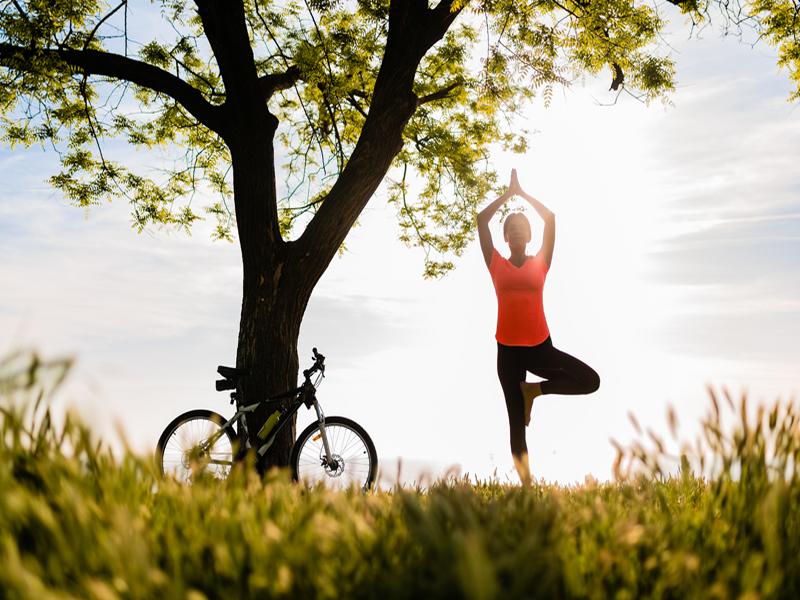
The interaction between our physical well-being and our mental state is undeniable. Regular exercise, healthy nutrition, and sufficient sleep form the pillars of a balanced life. Physical activity not only helps to drain accumulated tension, but also promotes the production of hormones that support a sense of well-being. It is important not to see exercise as an extra obligation, but as a powerful tool for **mentale veerkracht**. Even a light form of movement can make a significant difference in the daily stress level. Besides movement, sleep hygiene is of crucial importance. An rested body is better able to withstand external stressors. Creating a soothing sleep environment and setting a fixed rhythm for bedtime are simple but very effective interventions. Guarding these physical foundations enables us to react to the challenges life offers with more calmness and oversight. It is an investment in ourselves that, in the long term, results in a more stable and happier state of mind.
The power of reflection and social connection
Finally, maintaining deep social connections and practicing self-reflection is essential for maintaining peace. In a world where digital interactions often remain superficial, quality contact with loved ones offers a valuable counterpart to the stress of daily life. Sharing experiences and concerns can lighten the burden and offer new perspectives. Furthermore, self-reflection acts as a compass; it helps us to keep our own values and goals sharp. This process of **zelfbewustzijn** prevents us from going along with the expectations of others at the expense of our own needs. By regularly pausing to consider what is truly important to us, we can make choices that contribute to a meaningful and balanced life. It is the sum of these choices, supported by a healthy lifestyle and a conscious mindset, that leads to a lasting reduction in stress. Striving for **balans** is a continuous process that requires patience and self-compassion, but it is undoubtedly the most valuable investment you can make for your own mental health and well-being.